
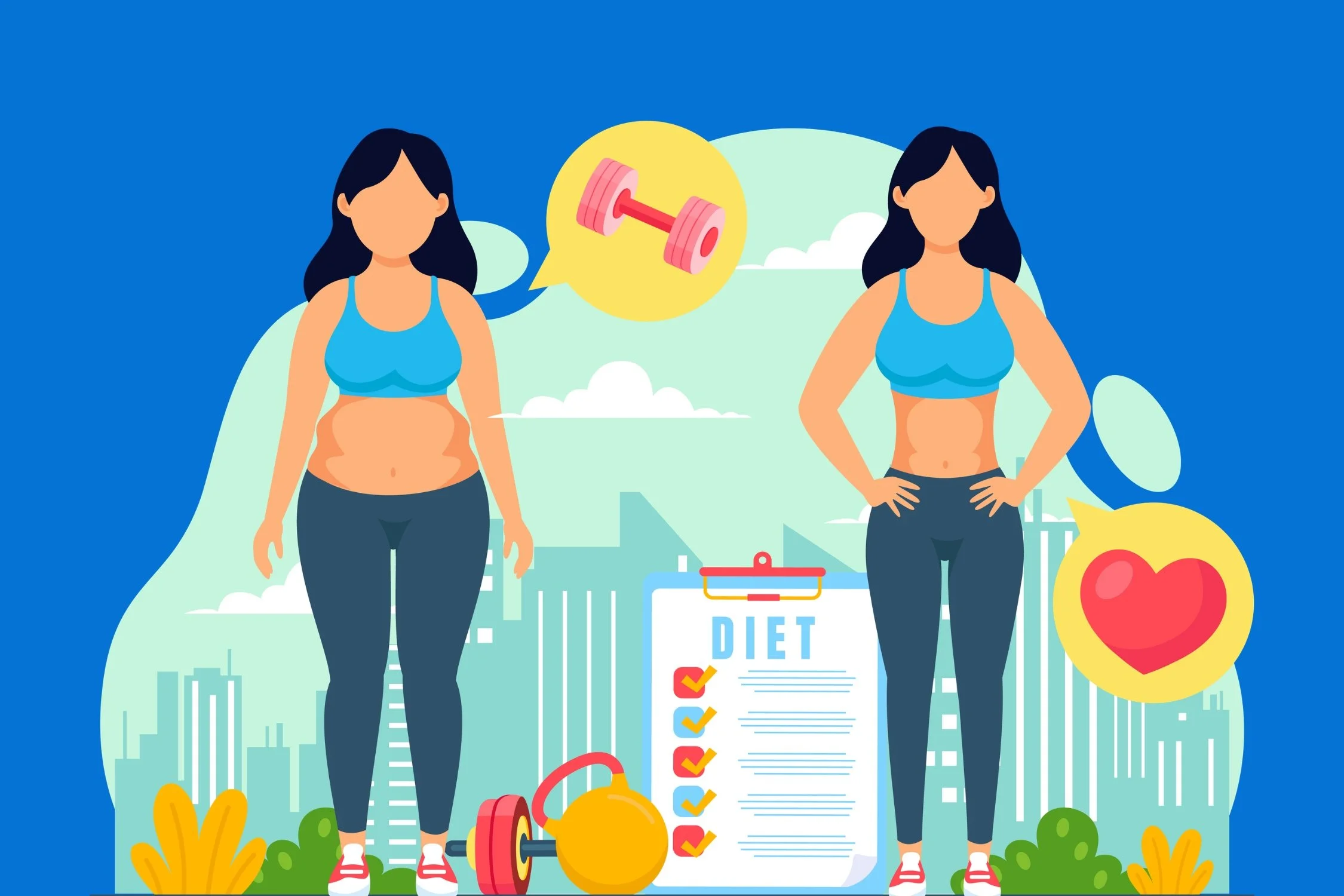
How to Lose Fat Without Losing Muscle: 7 Practical Tips That Work
Losing weight is relatively easy if you can white-knuckle a drop in calories and increase in cardio for a few weeks. However, this approach is rarely sustainable in the long term, and while you might be slimmer, you won’t have a really strong, sculpted physique.
If your goal is body recomposition (getting leaner while staying strong), these seven practical tips will help you do it properly.
1. Are you keeping your protein high enough?
Protein is non-negotiable. When calories drop, your body needs a reason to hold onto muscle tissue. Adequate protein intake provides that signal.
As a simple guide, aim for around 1.6 - 2.2g of protein per kg of bodyweight per day. If you are thinking of working with an online personal trainer, ask them about their nutritional qualifications so you can get an accurate diet plan tailored to your needs and goals.
Prioritise high-quality protein sources like lean meats, eggs, Greek yoghurt, whey protein, tofu or lean mince.
2. Are you still training heavy?
One of the biggest mistakes people make when cutting is lifting lighter weights.
Your training should still focus on:
Progressive overload
Controlled reps
Training close to failure
Tracking performance
You may not hit personal bests every week in a calorie deficit, but you should fight to maintain strength. Strength retention is a strong indicator that muscle is being preserved.
3. Is your calorie deficit too aggressive?
If you’re slashing calories dramatically, muscle loss becomes more likely. Instead of crash dieting, aim for a moderate deficit that allows steady fat loss, which is roughly 0.2 - 0.75 per cent of bodyweight per week.
This keeps:
Energy levels higher
Gym performance stronger
Recovery manageable
Hunger more controlled
Slow fat loss preserves shape and definition, but go too fast and you will struggle to hold onto muscle tone and strength.
4. Are you tracking your training performance?
If you’re not tracking reps, sets and loads, you’re guessing. During a fat loss phase, your goal isn’t just to see the scale drop: it’s to maintain performance.
If your lifts are collapsing week after week, something needs adjusting:
Calories may be too low
Recovery may be poor
Protein may be insufficient
Data prevents muscle loss.
5. Are you prioritising recovery?
Fat loss isn’t just about calories burned. Poor sleep and high stress increase fatigue, reduce training intensity and impact muscle retention. Aim for:
Seven to nine hours of sleep
Consistent daily steps (not extreme cardio spikes)
At least one or two rest days per week
6. Are you doing too much cardio?
Cardio has its place, but excessive cardio combined with heavy lifting and low calories can compromise recovery.
Resistance training should remain the priority.
Use steps and moderate cardio strategically, not as punishment for eating.
Your physique changes from lifting, not from endless treadmill sessions.
7. Are you following a structured plan?
Random workouts plus inconsistent nutrition won’t preserve muscle.
A structured training programme ensures:
Balanced volume
Proper progression
Intelligent exercise selection
Strategic calorie targets
When your training, nutrition and recovery align, fat loss becomes controlled rather than chaotic. You don’t want to just be lighter. You want to be leaner, stronger and more defined.
That requires:
High protein
Progressive resistance training
A moderate calorie deficit
Consistency over extremes
Lose fat intelligently, and you’ll keep the muscle you worked hard to build, which is exactly what creates that lean, athletic look most people are chasing.