Nutrition

Low-Fat vs Low-Carbohydrate [NEW STUDY]

Low-Fat vs Low-Carbohydrate

Low-Fat vs Low-Carb - Online Personal Trainer

.........I honestly love it when a study like this is released! This study is particularly interesting due to its large group of participants, a staggering 12-month duration and careful dietary monitoring. Also, it was partially funded by NuSI, an organisation co-founded by low-carb advocates.

They randomly assigned 609 participants to either a healthy low-fat diet or a healthy low-carb diet for 12 months. During those 12 months, everyone was instructed to attend 22 dietary counselling sessions with a dietitian. While no calories targets were given, both groups were instructed to consume high-quality whole foods and drinks. They were told to maximise intake of vegetables and minimise intake of added sugars, refined flours and trans fats, also to focus on whole foods that were minimally processed, nutrient-dense, and prepared at home when possible.

The researchers looked to see if genotype or insulin production could predict weight loss on either a low-fat or a low-carb diet. Other health outcomes measured were weight change, body fat (DXA), cholesterol, blood pressure and fasting glucose.

Main findings were...

- No significant weight-loss differences were observed between the low-fat and low-carb groups!

- Neither genetics nor insulin production could predict weight-loss success on either diet! 

- There were also no significant differences between groups for most other health markers tested!

Yes....triple shock!

Low-Fat vs Low-Carbohydrate - Online Personal Trainer

The DIETFITS study replicates the results of numerous other studies, showing that when calorie intake and protein intake are consistent the amount of carbs or fat doesn't matter too much.

Summary

There will always be diet trends, people will always say "I have the diet for you!!" but.......in the end......it comes down to having a diet that you can stick with! Also, one that is abundant with whole and nutrient-dense foods whilst rich in protein. 

References:

The DIETFITS Randomised Clinical Trial

- https://www.ncbi.nlm.nih.gov/pubmed/29466592

Carbohydrates

Carbohydrates

Now, many people out there say you should avoid carbohydrates altogether, others say you should avoid them after certain times (6 pm), others say that they are simply one of the three major macronutrients and you should utilise them for what they are… the body’s main source of fuel!

Personally, I agree with the latter, but we do need to look into carbs in more details to make sure we are prioritising the best types of carbohydrates and not ones that will spike up your blood sugar levels and leave you feeling lethargic later on, otherwise one minute you are deadlifting 200kg, the next minute you’re struggling to lift your eye lids.

So, let’s start with breaking carbohydrates into their three categories:

  1. Simple

  2. Complex

  3. Fibrous


 Simple carbohydrates 

Online Personal Trainer

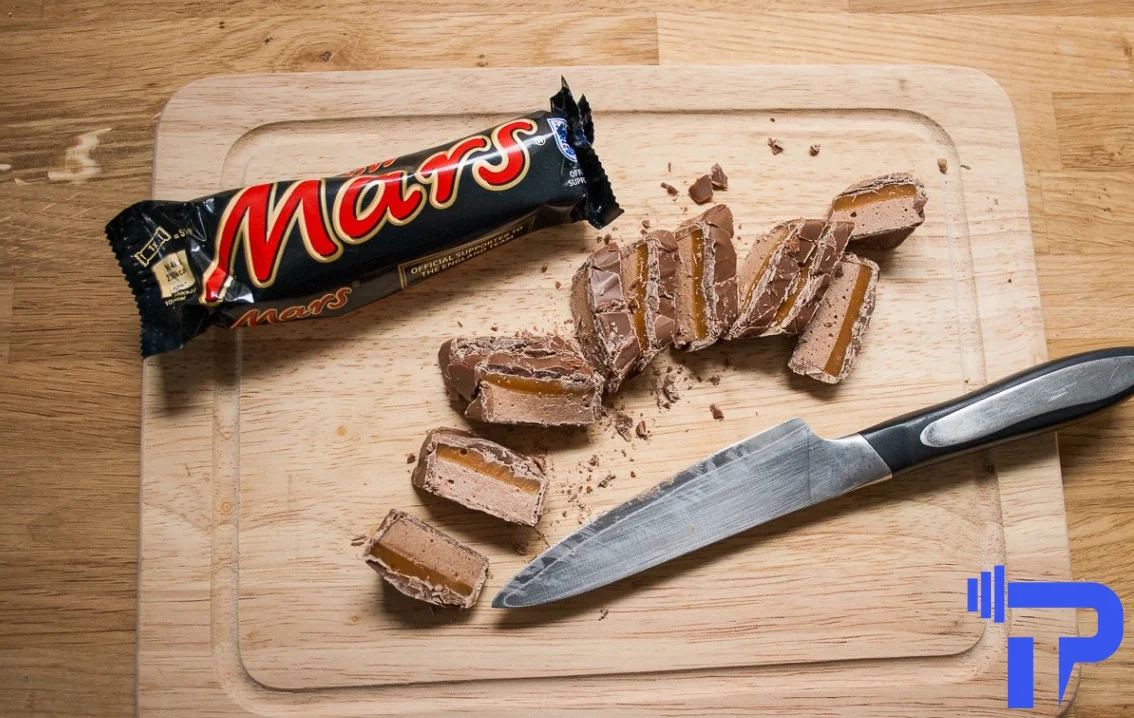
Simple carbohydrates usually come from food items with a noticeably "sweet" flavour. Chocolate, sweets, fruit and sports drinks are all examples of simple sugars. Simple carbs provide short term energy and are quickly broken down by the body, they don't make you feel satisfied for very long!


Complex carbohydrates 

Online Personal Trainer

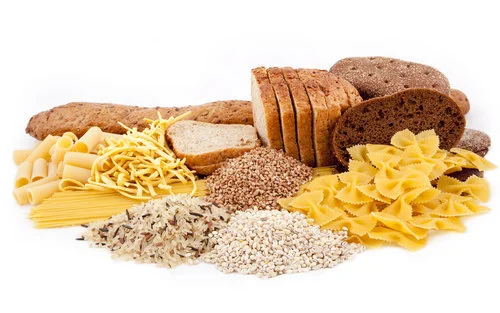
Complex carbohydrates, on the other hand, predominantly come from foods without such a noticeably sweet flavour, such as rice, bread, potatoes, oats, pasta and things of that nature. In general, since the body takes a little longer to break these down, they give you energy for a longer period of time than their simple sugar counterparts.


 Fibrous Carbohydrates 

Online Personal Trainer

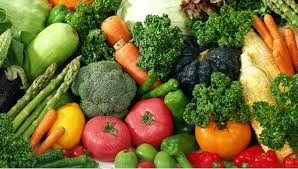
Fibrous carbohydrates come predominantly from roughage such as green leafy vegetables, broccoli and the skins of various vegetables and fruits, hence the term.

When you ingest carbohydrates, your pancreas secretes a hormone called Insulin. Simple carbs (for the most part) cause a quick insulin spike, and then drop you rather quickly, hence you crave more carbs soon after your insulin levels drop. These carbohydrates will be the ones you will want to avoid when reducing body fat.

Complex carbohydrates cause a more gradual insulin spike. This allows you to feel fuller for a longer period of time, typically for the two to the three-hour duration between meals, these have been great assets to marathon/triathlete nutrition plans for many years.

Fibrous carbohydrates have a very small effect on blood sugar levels but act more as a cleanser for your intestinal tract, providing you with a much-needed tool for pushing food through the system. When you’re mum tells you to eat your vegetables, she’s talking about these.

The biggest factor to address concerning the effects of the carbohydrate you choose and the effect on your body composition is the Glycemic Index (GI), the higher the Glycemic Index, the more of an insulin spike you’re likely to have and the more likely that food will get stored as fat. Having said that, unless you’re in a caloric surplus you will not gain body fat by choosing the wrong carbohydrate, that doesn’t mean you can have a Mars Bar a day just because your calories are in check though!

In summary, eat carbohydrates that optimise your health markers and leave you feeling satisfied with sustained energy levels for a long period of time, a Mars Bar will not do you any favours when trying to reduce body fat.

Online Personal Trainer

Fat Loss Tip - Never Shop Hungry

Fat Loss Tip - Never Shop Hungry

That escalated quickly! 

Online Personal Trainer

Yes, I folded to the dreaded festive treats!

This was not one of those well-planned treats that fitted into my macro and calorie goals, this was simply me eating junk because I was hungry.

This all came down to me shopping on an empty stomach, I don’t usually allow myself to get hungry, I like food too much, but today I allowed myself to get extremely hungry and then went shopping……….big fail!

When you’re hungry your blood sugar levels are lower, to increase your blood sugar levels you’ll want to eat, and nothing gets your sugar levels up faster than sugar! Your body knows this, this is why it craves junk food when you’re hungry.

Best way to avoid this is to eat regularly (small meals for fat loss), this will stop you from feeling hungry and never, never, NEVER shop when you’re hungry.

How do I set myself specific calories for fat loss?

How do I set myself specific calories for fat loss?

Online Personal Trainer.jpg


Someone emailed this question today, but it’s not as straight forward as some simple maths.


First of all…. what is a calorie?


Calories are tiny creatures that live in your wardrobe and sew your clothes a little bit tighter every night……or specifically, a calorie is the amount of energy, or heat, it takes to raise the temperature of 1 gram of water 1 degree Celsius.…… So basically its a unit of measurable energy.


Here is what you need to do to set your specific calorie requirements for fat loss.


Track food for one week (include the weekend)


Find your average amount of calories (Use My fitness Pal to track this)


Example week: 

Monday - 1600 Calories 

Tuesday - 1800 Calories

Wednesday - 1750 Calories

Thursday - 1900 Calories

Friday - 2200 Calories

Saturday - 2500 Calories

Sunday - 2400 Calories


Now this gives us an average of calories, in this case it’s 2021. Ask yourself how you feel on this amount of calories, full, satisfied, normal or hungry?


I imagine most of you would feel satisfied, unless you are already on a fat loss programme or are one of these insane people that ‘forget to eat’!!


If you’re gaining fat by eating this amount of food then it’s obviously too much, there is more fuel going into your body than is actually needed, in this case you’ll need to drop your daily calories by about 200-300 calories (dependant on current size and current intake), then assess changes in body composition and weight.


If you’re maintaining your body fat on this amount, then again it’s likely too much if your goal is to lose fat. You’ll need to drop your daily calories by about 100-200 calories then assess changes in body composition and weight (if the goal is in fact fat loss).


If you’re dropping fat on this amount then it’s about right. Keep doing what you’re doing!


One big thing to consider is how hungry you are, if you are feeling really hungry then you have obviously dropped your calories too far and you need to up them or you will lose muscle tissue along with the fat, this will obviously inhibit your performance and potential in the gym.


Simple Macros - Make sure you have a decent amount of Protein (1.3 grams per kg of body weight or more…..lots more), a respectable amount of healthy Fats and don’t kick the ass out of the Carbohydrates, you’re trying to lose fat not carb loading to run the London marathon.


Also, you can use online calorie calculators to work out your calories, but these base the calculations on your height, weight, age, gender and don’t take into consideration your current muscle tissue or the fact that everyone is different, but they can give us an idea of about how much food we should be eating, it’s a good tool.


Alternatively, sometimes you just need to add in an extra conditioning session to give you that slight caloric deficit your body needs to drop fat.

Here is an example of a quick conditioning workout you can utilise:

——————

Treadmill - 1.5km x 1

Cross Trainer - 4min

Bike - 40 seconds x 4 sets (20 seconds rest between each set)

Rowing machine - 250m x 4 sets (30 seconds rest between each set)

——————


If you found this useful then please like and share.